See detailed overview, process notes, and recommendations for this industry use-case. For matching spares or machine selection, request a quick quote.
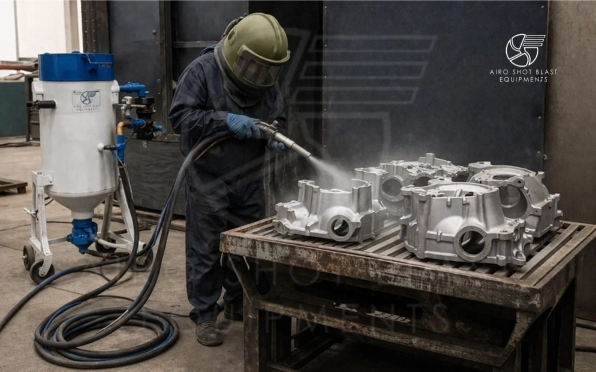
Shot blasting is a metal finishing technique typically utilized for surface cleaning. shot blasting aluminum castings is a post-finishing procedure where the surface of the part is prepared by utilizing specific abrasive materials. A shot blasting machine can assist in the surface preparation of the part to achieve a far higher quality finish when compared to other techniques. It can offer a level of surface cleanliness that is superior to any other finishing technique.
Before the item is subjected to further processes including electroplating, galvanizing, welding, enameling, glass coating, and rubberizing, the majority of shot blasting aluminum castings die casting factories utilize shot blasting to prepare the surface. During shot blasting, a variety of abrasives, including acrylic, aluminum oxide, corn cobs, crushed glass grit, glass beads, etc., are used to quickly damage the surface of the component. Its uses include extending the metal's fatigue life, enhancing its aesthetic appearance, enhancing adhesion, enhancing mechanical performance, and descaling the product's surface.
Due to its widespread use in the aerospace and shipbuilding industries, shot blasting has many advantages shot blasting for aluminum die casting. Due to the roughness being increased by shot blasting, the part's surface area may rise. Better surface debris removal will greatly enhance the surface's ability to hold things in place. By painting the surface or using other techniques, this will grow even more. shot blasting aluminum castings components experience surface stress concentration because of the uneven cooling rate and varying wall thickness.
Shot blasting can improve the surface structure of the part and eliminate any areas of surface stress concentration that may be present. Additionally, by doing this, the part's overall fatigue strength and surface hardness will be improved. Shot blasting can be used to remove any attachments from the surface of the part, including stains, scratches, sharp edges, etc., and restore the part's overall character.
The ability to significantly improve the overall cosmetic aspect of Shot blasting die cast aluminum parts is another fantastic advantage of shot blasting them. The impact of the projectile during shot blasting will produce a tiny concave hole that can increase the surface's reflectivity. If the part is afterward painted or coated with additional materials, the reflectivity is further increased.
Shot blasting aluminum die castings can significantly increase a part's toughness and longevity, which are essential qualities for usage in moving parts. Because it prepares the part for the following process, which assists in removing the other procedures like liquid sand blasting machine and use of drying equipment, it is a lot easier process and is therefore used by many die casters in Mexico and the US.
Common production scenarios where shot blasting delivers the best finish, adhesion and throughput.
Pre-paint / Powder-coat prep
Remove mill scale and create a controlled profile for strong coating adhesion (Sa 2.5 / Sa 3).
Anti-corrosion surface cleaning
Uniform blast cleaning for steel plates, beams and fabricated structures before primer / epoxy.
Structural & fabrication lines
High-throughput processing on conveyor / roller lines with consistent finish and repeatable output.
Weld seam / scale removal
Clean weld areas, edges and heat-affected zones to improve coating quality and inspection readiness.
Deburring & edge rounding
Remove burrs and sharp edges on components for safer handling and better downstream fit-up.
Single-pass finish targets
Optimized media + wheel setup to achieve full cleaning in one pass with predictable surface profile.
A practical flow used on production lines to consistently hit Sa 2.5 / Sa 3 targets with the right profile.
Machines we quote for this job. Send size, material and finish — we will confirm the fit.
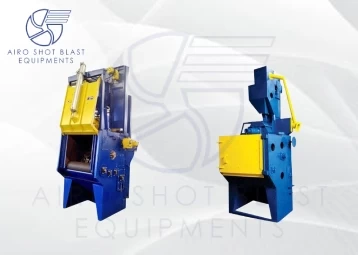
Our Tumblast Shot Blasting Machine is ideal for batch cleaning small com...
| Machine Type | Tumblast Shot Blasting |
|---|---|
| Grade | Automatic, Semi-Automatic |
| No of Blasting Gun | 2 - 4 Nos. |
| Blasting Gun Dia. | 6 mm |
| Blasting Hose | 19 mm |
| Load Capacity | 150 - 400 Kg (Volumetric Consideration) |
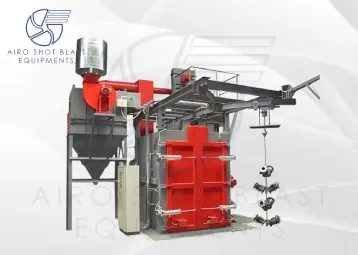
Airless hanger shot blasting machine type with a variable number of blas...
| Product | Hanger Shot Blasting Machine |
|---|---|
| Machine Type | Hanger Type |
| Automatic Grade | Automatic, Semi-Automatic |
| Number Of Doors | Double Door |
| Blast Wheel Size | 15 ½ x 2 ½ inch |
| Blast Wheel No. | 2 Nos. |
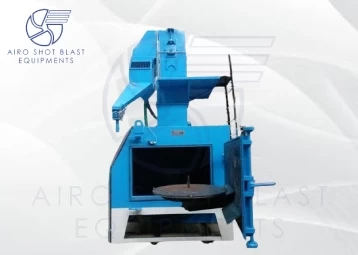
Table Type Shot Blasting Machine
| Dia of swing table | 750 mm - 1200 mm |
|---|---|
| Shot Velocity | 70-89 Mtrs./Sec. |
| Shots Consumption | Approx. 1.875 Kgs/Hr./Wheel |
| H.P. of Blast Wheel | 7.5 - 15Hp |
| R.P.M. of Blast Wheel | 2800 - 2400 |
| Shot Velocity | 70-89 Mtrs./Sec |
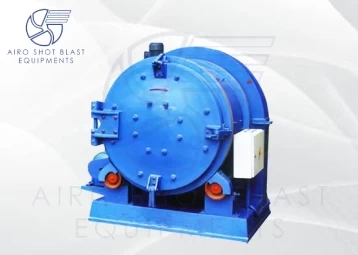
Rotary Barrel Shot Blasting Machine is optimum shot blasting for small,...
| Machine Type | Wheel Blasting |
|---|---|
| Material | Mild Steel |
| Abrasive Feed | Barrel Type |
| Barrel Capacity | 100 - 150 Kg |
| Barrel RPM | 5 - 6 |
| Dust Collector | Fabric Bag / Pleated Filter |
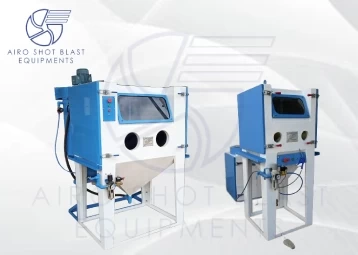
shot blasting cabinet is known as an enclosed shot blasting machine. Dus...
| Material | Mild Steel |
|---|---|
| Machine Type | Pressure, Suction & Wet blast cabinet |
| Grade | Automatic, Semi-Automatic, Manual |
| Usage | Surface Cleaning and grit recovery system |
| Cleaning rate | 3-5 sqr. mtr/ hr |
| Voltage | 220 V |
Typical ranges for roller conveyor blasting lines. Final specs depend on job size, wheel count and finish target.
| Parameter | Typical value / range |
|---|---|
| Cleanliness standard | Sa 2.5 (standard) / Sa 3 (on request) |
| Throughput | 500–3000 kg/hr (depends on section size, rust grade & line speed) |
| Surface profile | Rz 40–70 µm (achieved by shot/grit mix and wheel parameters) |
| Blast wheels | 4–8 units (coverage on all 4 sides, depending on chamber design) |
| Throwing speed | 70–80 m/s (wheel dependent) |
| Abrasive recovery | Floor screw conveyor → elevator → separator → recirculation to wheels |
| Dust collection | Pulse-jet dust collector (fine dust capture; clean air return) |
| Primer window | Ideally within 4 hours after blasting (site conditions may vary) |
Plant RFQ
Name, plant and machine type are enough. An engineer replies from the factory.